Land Prices Around Nairobi in 2026: What Does Land Actually Cost?
Land remains one of Kenya’s most carefully watched property assets, with significant variation in cost between Nairobi’s established suburbs and its satellite towns.
In 2026, the price gap between these areas remains crucial for buyers and investors.
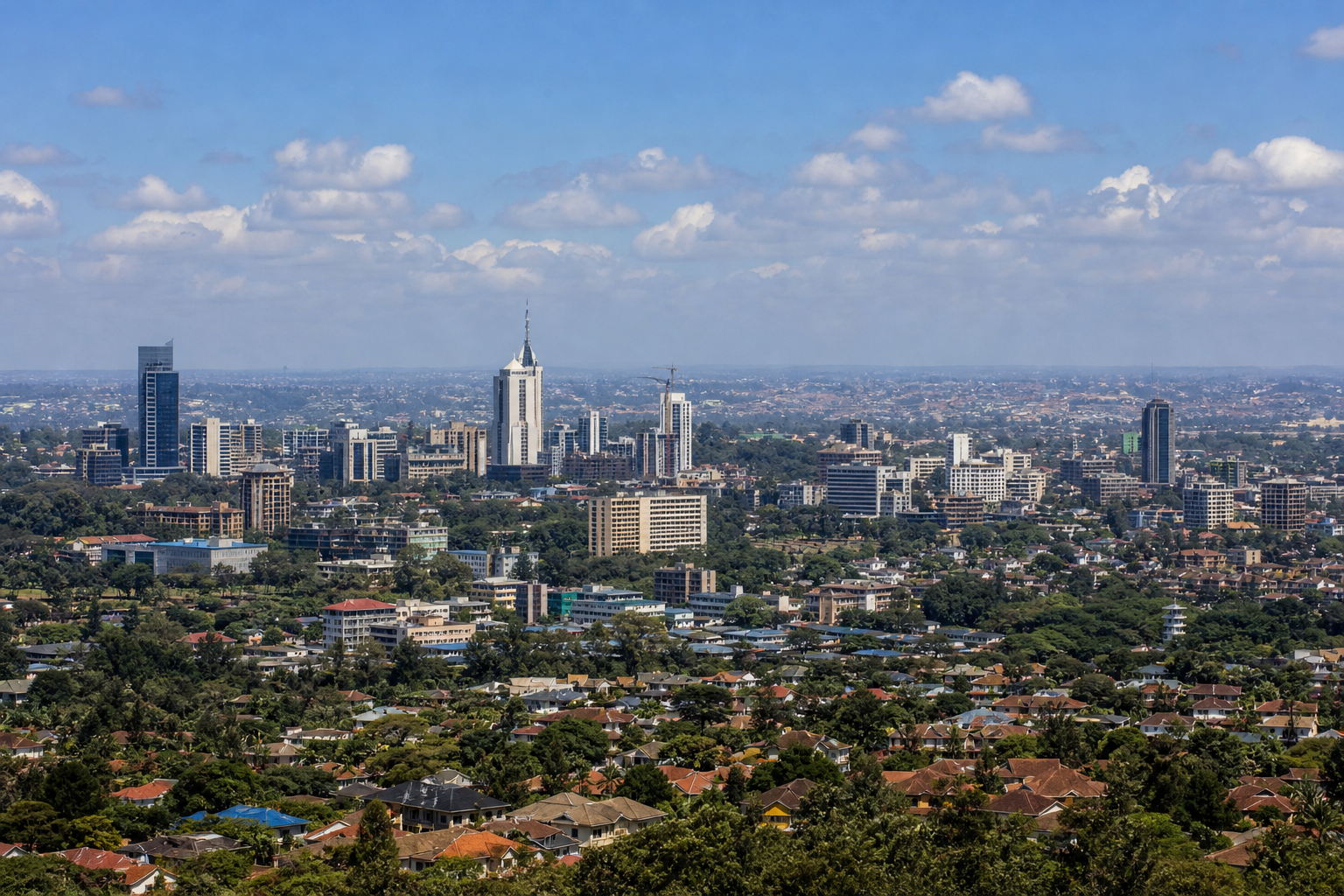
According to HassConsult’s Q2 2026 Land Price Index, land prices across Nairobi's suburbs rose by 1.4% quarter-on-quarter, while satellite towns saw a slightly higher increase of about 1.5%. However, the recovery was selective, with some locations gaining strongly and others declining. (Tuko.co.ke - Kenya news)
Rather than asking “How much does land cost in Nairobi?”, a better question is:
How much land can your budget realistically buy, and where?
Nairobi Land Prices: A Location-Focused Market
The difference between land values in Nairobi’s prime suburbs and surrounding satellite towns is substantial. Here are average indicative land prices per acre from HassConsult’s Q2 2026 index:
- Upper Hill — KSh 568.7 million per acre
- Westlands — KSh 508.0 million per acre
- Kilimani — KSh 445.9 million per acre
- Riverside — KSh 382.3 million per acre
- Spring Valley — KSh 314.5 million per acre
- Runda — KSh 105.6 million per acre
- Langata — KSh 94.7 million per acre
- Karen — KSh 79.5 million per acre
Compared to satellite towns, prices are significantly lower:
- Ruaka — KSh 115.7 million per acre
- Ruiru — KSh 42.2 million per acre
- Ngong — KSh 34.8 million per acre
- Thika — KSh 32.4 million per acre
- Limuru — KSh 27.2 million per acre
- Kiserian — KSh 26.8 million per acre
- Juja — KSh 20.7 million per acre
(Note: These are broad market indexes on a per-acre basis, not quotes for specific plots. Actual prices depend heavily on location, size, access, and other factors.)
Understanding Acre Pricing and Plot Sizes
One acre equals 43,560 square feet. A standard 50×100-foot plot covers 5,000 square feet, meaning roughly 8.7 such plots fit into an acre before accounting for roads and subdivision layout.
Therefore, dividing the acre price by 8.7 does not give a reliable plot price. Development costs, servicing, zoning, terrain, and legal title affect final costs.
Spotlight on Karen: Premium Land With Relative Affordability
Karen remains a sought-after area for buyers of large residential plots. HassConsult reported its Q2 2026 average land price at about KSh 79.5 million per acre, with a quarterly increase of 3.2%. (Tuko.co.ke)
Listings vary widely; for example, a recent eighth-acre plot in Kerarapon, Karen, was listed at around KSh 6.5 million. Larger parcels or those with prime access cost substantially more. (Kenya Property Centre)
Runda: Large Plots and Established Demand
Runda is known for low-density, large residential plots and established gated communities near the UN and international schools. It commands an average land price of approximately KSh 105.6 million per acre as of Q2 2026, with a 2.9% quarterly increase. (Tuko.co.ke)
Langata: Affordable and Attracting Development
Langata saw one of the strongest land price rises in Q2 2026, with an average of KSh 94.7 million per acre reflecting a 4.1% quarterly gain. This relative affordability within Nairobi is attracting both individual homeowners and developers. (Tuko.co.ke)
Westlands, Kilimani and Upper Hill: High-Value Development Zones
Land here is priced for commercial and high-density residential development:
- Upper Hill — KSh 568.7 million per acre
- Westlands — KSh 508 million per acre
- Kilimani — KSh 445.9 million per acre
- Riverside — KSh 382.3 million per acre
These areas focus on apartments, mixed-use projects, corporate offices, and boutique residences rather than large standalone homes. (Tuko.co.ke)
Ruiru: Rapidly Growing Satellite Town
Ruiru is gaining attention with average land prices of approximately KSh 42.2 million per acre in Q2 2026 and a strong 4.1% quarterly increase. Annual growth was about 13.3%, influenced by developments like Tatu City and Northlands. (Khusoko)
Investors should note that land demand tends to track economic activity, infrastructure, jobs, and population growth, not just distance from Nairobi. This lesson applies across many areas.
Ruaka: A Satellite Town That Commands Premium Prices
Ruaka’s approximately KSh 115.7 million per acre price level in Q2 2026 positions it above many satellite towns due to its location on a major growth corridor and proximity to Nairobi’s northern suburbs. (Khusoko)
This exemplifies why buyers should assess each growth corridor individually rather than using broad labels.
Thika, Ngong, Limuru, Juja and Kiserian: Entry-Level Land Markets
Indicative land prices in Q2 2026 were approximately:
- Thika — KSh 32.4 million per acre
- Ngong — KSh 34.8 million per acre
- Limuru — KSh 27.2 million per acre
- Juja — KSh 20.7 million per acre
- Kiserian — KSh 26.8 million per acre
However, cheaper land does not always mean better investment. Potential downsides include limited infrastructure, lower demand, longer holding costs, and planning restrictions. The cause of affordability matters for value.
Key Considerations Beyond Price Per Acre
Two parcels priced similarly can differ vastly in value depending on:
- Access and road connectivity
- Zoning and permitted use
- Title clarity and encumbrances
- Availability of water, electricity and drainage
- Topography and soil quality
- Neighbourhood development and demand
These factors must be assessed carefully before purchase decisions.
Purpose of Land: Home, Apartments or Commercial?
Defining your intended use is crucial:
Buying to Build a Family Home
- Prioritise security, privacy and plot size
- Check proximity to schools, shops and utilities
- Ensure road access and safe neighbourhood
Buying for Apartment Development
- Evaluate zoning and allowable density
- Consider road frontage, parking needs and dimensions
- Review development approvals and market rental demand
Buying for Commercial Use
- Focus on traffic flow, visibility and frontage
- Assess access, nearby businesses and future infrastructure
- Understand commercial zoning restrictions
A plot ideal for a home may be unsuitable for commercial or high-density development.
What Can KSh 5 Million Buy in Land?
Care is essential with online listings. In Nairobi, KSh 5 million generally won’t secure large plots in prime suburbs such as Westlands, Kilimani or Runda.
Listings in developing areas, like a 100×100-foot plot in Ruai starting around KSh 6 million, show variation. (Kenya Property Centre)
Buyers should thus research exact location, title, tenure, infrastructure and access thoroughly.
Ask yourself: How far from Nairobi’s core are you willing to go to obtain your desired plot size at this budget?
Why Land Prices Vary Across Nairobi Suburbs
The Q2 2026 data show contrasting movements:
- Karen, Langata, and Ruiru saw strong quarterly price growth.
- Ngong, Muthangari, Muthaiga, and Gigiri recorded price declines.
This shows the Nairobi land market is highly location-specific rather than uniformly appreciating. (Tuko.co.ke)
Essential Checks Before Buying Land
- Title and ownership: Verify seller’s title and conduct official searches.
- Zoning and permitted use: Confirm allowed uses match your plans.
- Access: Ensure legal and physical access to the plot.
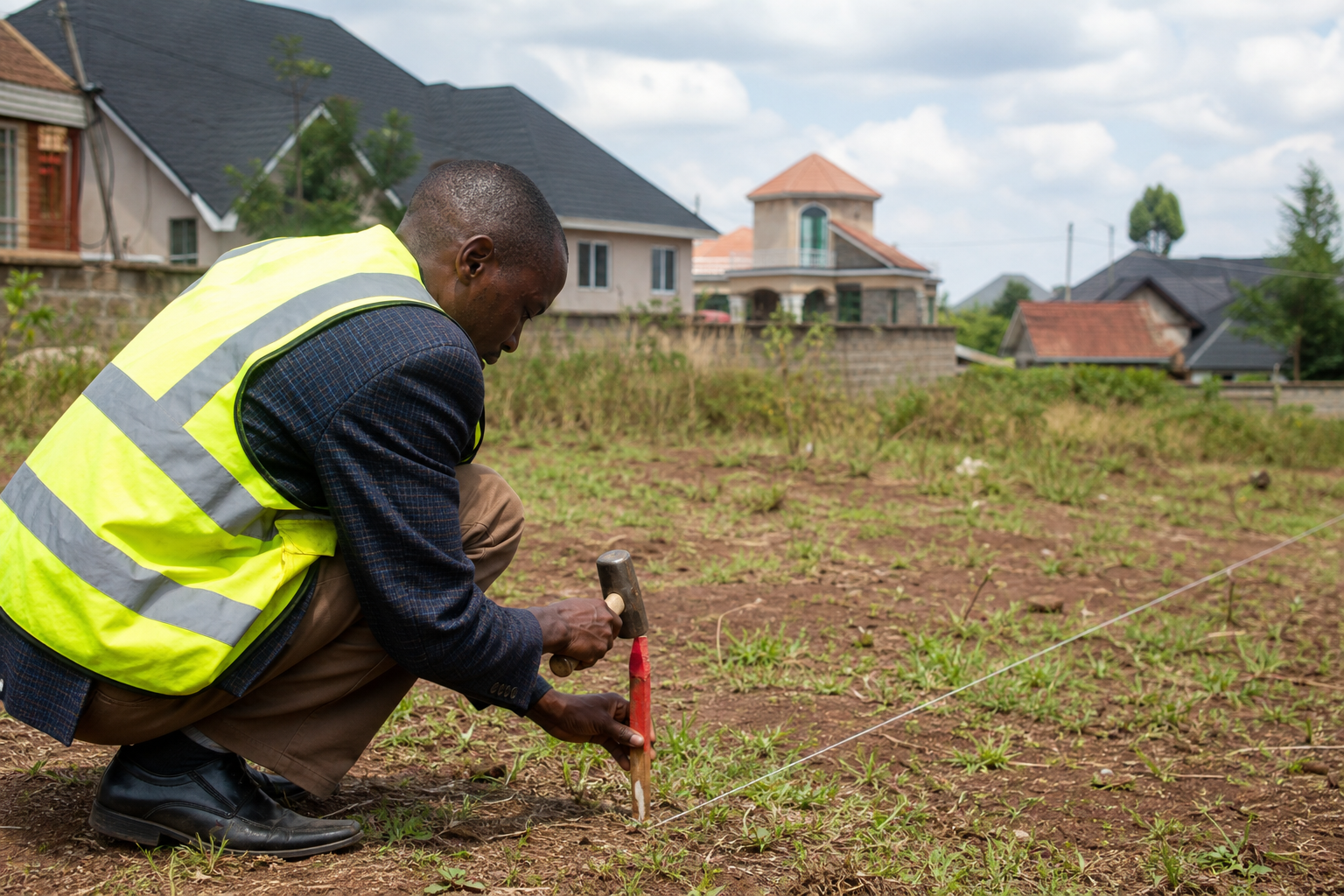
- Boundaries: Confirm beacons and boundaries with professionals.
- Utilities: Check availability of water, electricity, drainage and roads.
- Soil and terrain: Understand topography for construction costs.
- Planning approvals: Clarify what can be legally built.
- Existing encumbrances: Investigate cautions, easements or charges.
- Neighbourhood development: Observe actual nearby projects rather than sales claims.
Summary: Nairobi Land Markets Are Diverse and Selective
Nairobi’s land market in 2026 consists of several distinct segments:
- Prime inner suburbs with high values focused on redevelopment and apartment investment.
- Traditional low-density suburbs like Karen and Runda offering large residential plots.
- Emerging satellite towns offering lower entry prices but differing infrastructure and development dynamics.
Even within these zones, individual properties differ widely by access, title, zoning, and potential.
Nairobi Land Prices at a Glance - Q2 2026
Premium Suburbs
- Upper Hill — ~KSh 568.7M/acre
- Westlands — ~KSh 508M/acre
- Kilimani — ~KSh 445.9M/acre
- Riverside — ~KSh 382.3M/acre
Established Low-Density Suburbs
- Runda — ~KSh 105.6M/acre
- Langata — ~KSh 94.7M/acre
- Karen — ~KSh 79.5M/acre
Selected Satellite Towns
- Ruaka — ~KSh 115.7M/acre
- Ruiru — ~KSh 42.2M/acre
- Ngong — ~KSh 34.8M/acre
- Thika — ~KSh 32.4M/acre
- Limuru — ~KSh 27.2M/acre
- Kiserian — ~KSh 26.8M/acre
- Juja — ~KSh 20.7M/acre
These are index-based indicative land values, not exact prices for every parcel. (Source: Tuko.co.ke - Kenya news)
Final Takeaway
Nairobi’s 2026 land market demands selectivity and due diligence.
The highest prices do not always equate to the best fit, and the lowest prices may come with hidden challenges.
Clarify your objective early — whether to build a home, develop apartments, hold long-term, subdivide, or develop commercially — and evaluate location, zoning, infrastructure, and legal title carefully.
At Homesphere Kenya, we advise:
Be smarter than your sources. The best decision comes from understanding what you are really buying, what is permissible, and why the price matches its value.
Note: Market figures refer to 2026 data available at publication. Individual prices vary based on location, size, title, access, zoning and development potential.
Interested in exploring properties? Browse all available properties or see property for sale.
Learn more about Homesphere property insights and contact Homesphere Kenya for personalised advice.